

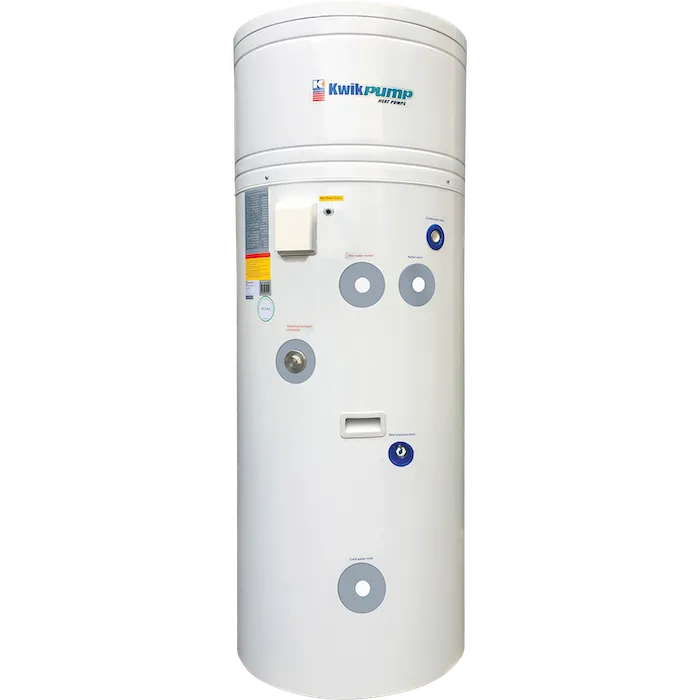
150L Heat Pump Water Heater
R25 288.50 incl. VAT
A heat pump water heater extracts heat from ambient air using a refrigeration cycle and transfers that heat to water. This makes it three times more efficient than a conventional electric element geyser, and it works effectively even on overcast days, at night, and in shaded locations where a solar collector would perform poorly.
The 150L heat pump is designed for households of 2 to 4 people and can typically heat a full tank of water using one-third of the electricity a standard element geyser would consume for the same task. It is the recommended choice for homes where the roof is shaded, north-facing roof space is limited, or the climate is frequently overcast.
Price: R21,990 — supply only. Professional installation by a qualified electrician and plumber is required. Contact PowerVault ZA on +27 83 476 8779 for more information.
Estimated Delivery Timeline
Delivery timelines are estimates. Orders typically arrive within 3–5 business days after payment is confirmed.
What Is a Heat Pump Water Heater?
A heat pump water heater works on the same principle as a reverse-cycle air conditioner. A compressor circulates refrigerant through an outdoor unit that extracts heat energy from the surrounding air — even at temperatures as low as 5 degrees. That heat is transferred to the water in an insulated storage tank. The result is 3 to 4 units of heat energy delivered to the water for every 1 unit of electrical energy consumed — known as a Coefficient of Performance (COP) of 3 to 4. By comparison, a conventional electric element geyser operates at a COP of 1. The heat pump is typically 3x more efficient.
System specifications: Tank capacity: 150 litres | Technology: Air-source heat pump | COP (efficiency): 3.0–4.0 | Power supply: 220V single-phase | Backup element: Included for use in extreme cold conditions | Recommended household size: 2 to 4 people.
When to Choose a Heat Pump Over a Solar Geyser
A solar geyser requires north-facing roof space with minimal shading for effective operation. A heat pump does not. Choose a heat pump when your roof is shaded by trees or neighbouring buildings, your property does not have suitable north-facing roof space, you live in a consistently overcast region where solar collector performance would be limited, or you want a hot water solution that is completely independent of sunlight. Heat pumps work effectively at night and on overcast days.
Electricity Savings vs. Electric Geyser
A conventional 150L electric element geyser at R3.50/kWh costs approximately R600–R1,100 per month to run. A heat pump of equivalent capacity, with a COP of 3.5, reduces that electricity cost by approximately 65–72%, saving R400–R800 per month.
Installation Requirements
A heat pump requires a 15-amp or 20-amp dedicated electrical circuit, outdoor placement for the heat-extraction unit with adequate air circulation (minimum 1 metre clearance on all sides), and connection to the household cold-water supply and hot water circuit. A heat pump can be installed on a balcony, courtyard, or against an exterior wall — it does not require roof mounting.
Supply Only
R21,990 is for the unit only. Installation requires a qualified electrician and plumber. Contact PowerVault ZA on +27 83 476 8779 or info@powervaultza.co.za. We are based at 14 Sol Street, Linbro Business Park, Sandton, Johannesburg.
Frequently Asked Questions
Q: Does a heat pump work on cloudy days?
A: Yes. A heat pump extracts heat from ambient air, not from sunlight. It operates effectively on overcast days, at night, and in shaded locations. The only condition that reduces its efficiency is sustained extreme cold below minus 5 degrees.
Q: How much electricity does a heat pump use compared to a normal geyser?
A: A heat pump with a COP of 3.5 uses approximately 65–72% less electricity than a conventional electric element geyser for the same volume of hot water. This typically translates to savings of R400–R800 per month on a 150L household system.
Q: Where does the heat pump unit get installed?
A: The heat pump has an outdoor unit (similar to an air conditioner condenser) that must be placed in an area with good air circulation — a courtyard, balcony, garage exterior wall, or garden. It does not require roof mounting or any direct sunlight exposure.
Q: Is a heat pump louder than a solar geyser?
A: Yes. A heat pump has a compressor and fan that produce a low operational hum — similar in volume to a small air conditioner, typically 45–55 dB at 1 metre.
Q: Does this qualify for the Section 12B tax deduction?
A: Heat pumps for residential water heating may qualify under SARS Section 12B for qualifying installations. Consult a registered tax practitioner for advice specific to your situation.
2 reviews for 150L Heat Pump Water Heater
Add a review
Related products
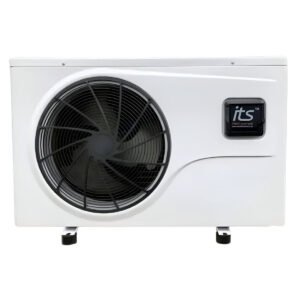
Heat Pumps
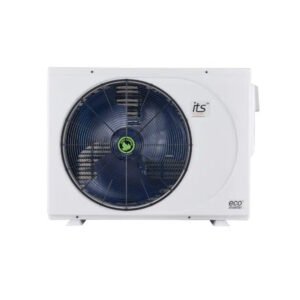
Heat Pumps
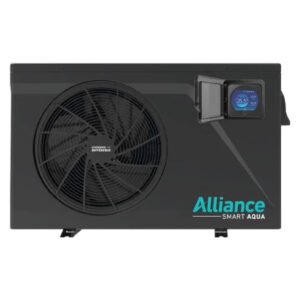
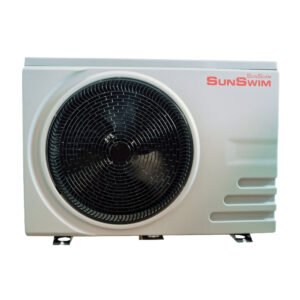
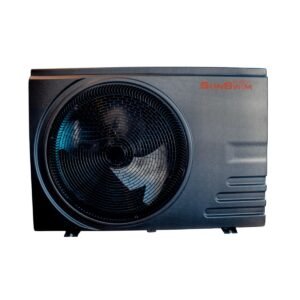
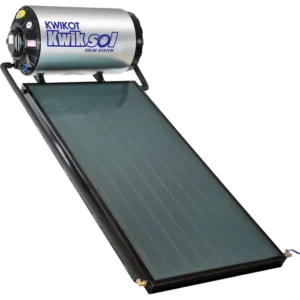
Flat Panel Geysers
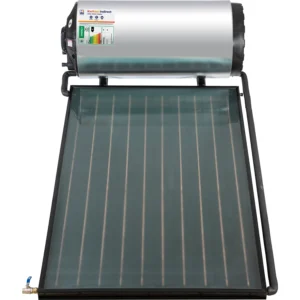
Flat Panel Geysers
Kabelo Motsepe –
We replaced our old element geyser with the 150L Heat Pump Water Heater and the savings have been substantial. Hot water all day on a fraction of the electricity. The heat pump keeps working during load shedding when paired with our inverter. Excellent product.
Kefilwe Sithole –
The 150L Heat Pump Water Heater was installed in half a day and started saving us money from day one. Our electricity meter shows a big reduction in peak morning draw. Water temperature is consistently good and the unit has been silent and reliable for six months now.