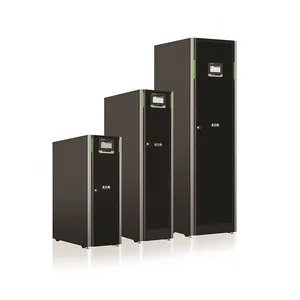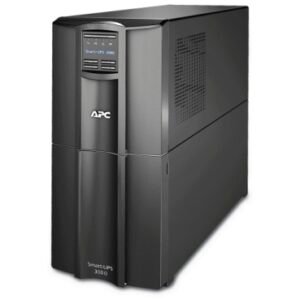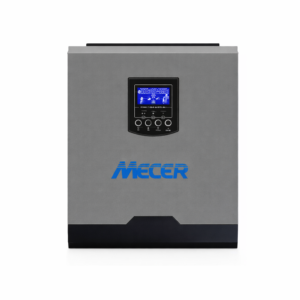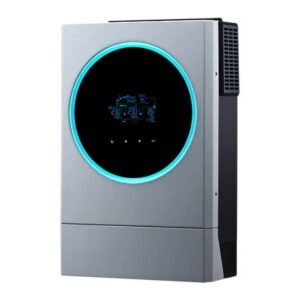
A UPS system in South Africa provides instant backup power the moment your mains electricity fails. Unlike a generator that takes several seconds to start, a UPS switches to battery in milliseconds. As a result, your computer, server, and sensitive electronics never register a break in supply — even during an unexpected Eskom trip or loadshedding event.
In South Africa’s loadshedding environment, a UPS has become essential protection for home offices, small businesses, and any household that relies on electronics for daily work. Data loss, file corruption, and hardware damage from sudden, uncontrolled power cuts are entirely avoidable risks. A correctly sized UPS eliminates them completely.
UPS Systems in South Africa: What They Protect
The right UPS depends on what you need to protect and for how long. Consider the following typical applications:
Home Office and Personal Use: A 650VA to 1000VA UPS protects a desktop computer, monitor, and WiFi router. It provides runtime to save your work and shut down safely during an unexpected power cut. Additionally, it guards against the voltage spikes and frequency instability that accompany Eskom supply fluctuations across South Africa.
Small Business and Server Room: A 1500VA to 3000VA UPS covers a small server, NAS storage device, network switch, and associated workstations. For businesses where downtime directly means lost revenue, this range provides instant protection and sufficient runtime to transition to a generator or solar backup system.
Data Centre and Rack Infrastructure: Rackmount UPS units from 5kVA upward protect server infrastructure with managed power delivery. Features typically include network management cards, hot-swap battery modules, and pure sine wave output as standard.
UPS vs. Solar Inverter: Understanding the Difference
A UPS system and a hybrid solar inverter serve different purposes. Understanding the distinction helps you choose the correct solution:
UPS system: Designed for millisecond switching and short-duration backup of specific loads. Best for protecting computers, servers, medical devices, and sensitive electronics from sudden power disruption and voltage instability.
Solar inverter with battery: Designed for long-duration, whole-home backup across multiple loadshedding cycles. Best for eliminating Eskom dependence across your entire property.
Combined approach: Many South African homes and businesses use both. A solar system covers whole-home loadshedding needs, while a dedicated UPS protects the computer workstation or server from the brief transfer delay that even a quality inverter introduces.
Key Specifications When Buying a UPS in South Africa
VA rating: Volt-ampere rating indicates total load capacity. Match this to the combined wattage of the equipment you need to protect.
Waveform type: Pure sine wave output is required for sensitive electronics, motor-driven appliances, and medical equipment. Simulated sine wave is adequate for most computers and networking hardware.
Battery runtime: Rated runtime is typically specified at 50% of full load. Confirm runtime at your actual intended load before purchasing.
Battery replacement availability: All UPS batteries require periodic replacement, typically every 3 to 5 years. Choose a model with easily available local replacement batteries.
UPS Brands We Stock
APC by Schneider Electric is the global leader in UPS technology. The APC Back-UPS series covers home and small office needs at accessible price points. The Smart-UPS range adds network management cards, extended runtime battery modules, and advanced monitoring for business-critical loads. Furthermore, APC maintains an extensive South African service and warranty support network for fast in-country resolution.
Related Products
For whole-home loadshedding coverage beyond a UPS, browse our hybrid inverters and complete solar kits. For portable backup without any installation, explore our portable power stations.