Solar Guides
LiFePO4 vs Lead Acid Batteries for Solar Storage: South Africa Guide
Jun
Choosing the right LiFePO4 batteries South Africa solar systems rely on is one of the most important decisions in your energy investment. South Africa’s energy crisis has created massive demand for battery storage, and the choice between LiFePO4 and lead-acid can mean the difference between a 3-year replacement cycle and a 10-year worry-free system. This guide breaks down both technologies so you can make the right call.
What Is a Lead-Acid Battery?
Lead-acid batteries are the oldest commercially successful rechargeable battery technology, dating back over 150 years. They work by using lead plates submerged in a sulphuric acid electrolyte. There are two main types used in solar applications: flooded lead-acid (FLA), which requires regular water top-ups and venting for hydrogen gas; and sealed AGM or gel batteries, which are maintenance-free and safer indoors.
Lead-acid batteries are inexpensive to manufacture, widely available, and compatible with most older inverter systems. Their key limitations are significant: they must not be discharged below 50% state of charge without permanent damage, they degrade rapidly from repeated deep cycles, and they perform poorly in high temperatures — a serious issue in a South African climate.
What Is a LiFePO4 Batteries South Africa Solar Systems Use?
LiFePO4 — lithium iron phosphate — is the safest, most stable chemistry in the lithium battery family. Unlike older lithium-ion chemistries (such as NMC or LiPo), LiFePO4 does not contain cobalt, does not produce oxygen under thermal stress, and has a very high thermal runaway threshold. This makes LiFePO4 the chemistry of choice for home solar storage worldwide.
The LiFePO4 batteries South Africa homeowners install typically includes a built-in Battery Management System (BMS) that monitors cell voltage, temperature, and state of charge in real time. The BMS protects against overcharge, over-discharge, and short circuits, and communicates battery status to compatible hybrid inverters via CANBUS or RS485 — allowing the inverter and battery to work together intelligently.
LiFePO4 Batteries South Africa vs Lead-Acid: Full Comparison
| Feature | LiFePO4 Lithium | Lead-Acid (AGM/Gel) |
|---|---|---|
| Usable capacity | 80–100% DoD | 50% DoD |
| Cycle life | 3,000–6,000+ cycles | 300–500 cycles |
| Efficiency (round-trip) | 95–98% | 70–80% |
| Weight per kWh | ~8–12 kg/kWh | ~25–35 kg/kWh |
| Self-discharge per month | ~2–3% | ~5–15% |
| Temperature tolerance | Operates to 55°C | Degrades above 25°C |
| Maintenance required | None | Water top-ups (FLA) |
| Upfront cost per kWh | Higher | Lower |
| 10-year cost per kWh | Lower | Much higher |
LiFePO4 Batteries South Africa: The 10-Year Cost Reality
This is where the LiFePO4 advantage becomes clear. A typical lead-acid battery bank rated at 10kWh (nominal) delivers only 5kWh of usable energy after accounting for the 50% depth-of-discharge limit. It lasts approximately 400–500 cycles before significant capacity degradation — meaning it may need to be replaced every 2 to 3 years with daily cycling during load shedding.
A 10kWh LiFePO4 battery delivers 8–10kWh of usable energy, lasts 3,000 cycles or more, and typically carries a 5 to 10 year warranty. Over 10 years, you may replace lead-acid batteries 3–4 times. The LiFePO4 battery may not need replacing at all within that period. When you calculate total cost including replacement batteries, installation labour, and inverter wear from low efficiency, LiFePO4 almost always wins on total cost of ownership despite the higher purchase price. For independent LiFePO4 battery performance data, see Battery University or Pylontech’s official site.
Top LiFePO4 Batteries South Africa Options in 2025
PowerVault ZA stocks a range of premium LiFePO4 batteries from leading manufacturers:
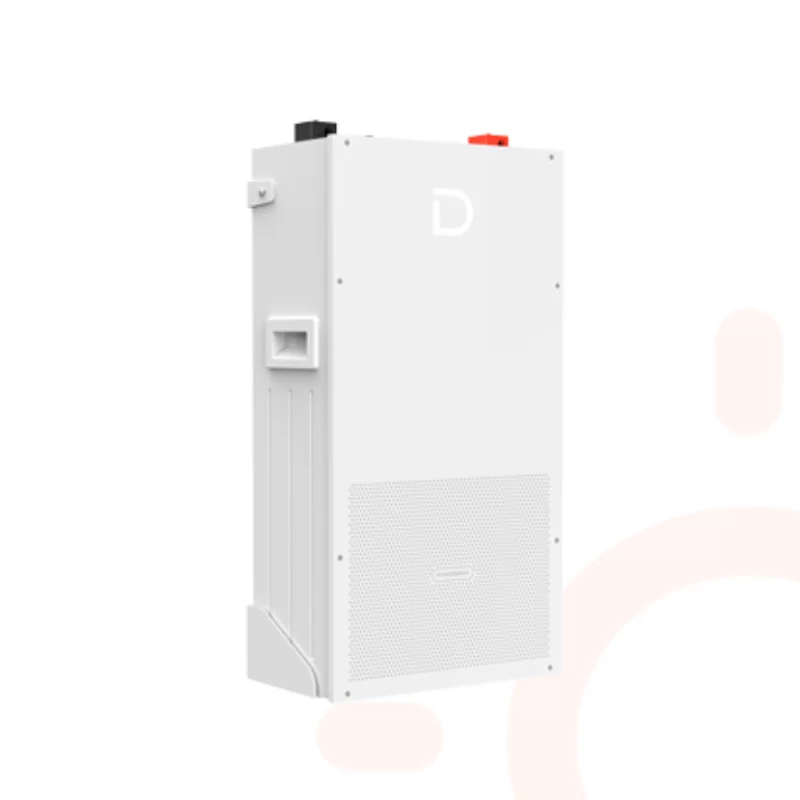
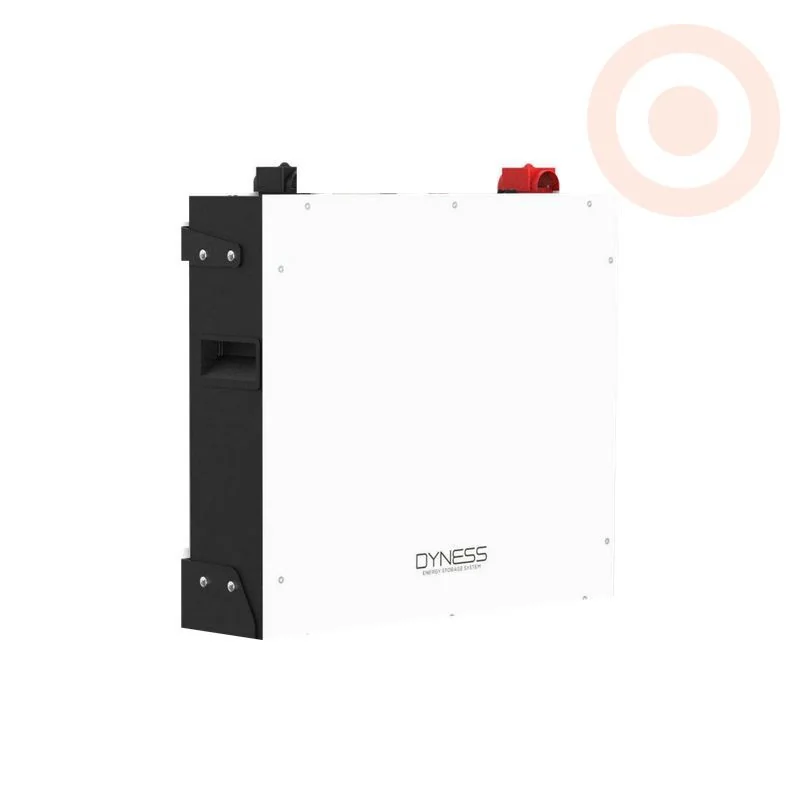
- Dyness PowerBrick 14.3kWh — a modular, stackable unit from one of the most trusted lithium battery brands in South Africa. Excellent CANBUS compatibility with Sunsynk and Deye inverters.
- Dyness 5.12kWh LiFePO4 — an entry-level option for smaller homes or as a starting battery that can be expanded later.
- Pylontech UP5000 4.56kWh — Pylontech is one of the most widely installed lithium battery brands globally and is compatible with virtually every hybrid inverter on the market.
- Hubble AM-2 5.5kWh — locally assembled in South Africa, with excellent compatibility and strong local warranty support.
- BSL 7kWh LiFePO4 — a high-capacity single-unit battery suitable for medium to large solar systems.
Browse the full lithium battery range from PowerVault ZA.
Which LiFePO4 Batteries South Africa Homeowners Should Choose
For a new solar installation in South Africa in 2025, a LiFePO4 batteries South Africa suppliers recommend is the right choice in nearly every situation. The only scenario where lead-acid may still be appropriate is a very tight budget with low daily cycling requirements — for example, a holiday home that will only be used occasionally, where battery cycles per year are minimal and long lifespan is less critical.
For any home or business using the battery daily — especially during load shedding — LiFePO4 is the better investment. It delivers more usable energy, lasts longer, requires no maintenance, and is compatible with modern smart inverters that rely on CANBUS communication for accurate state-of-charge management.
Frequently Asked Questions
Is a LiFePO4 Batteries South Africa Homeowners Choose Safe to Install Indoors?
Yes. LiFePO4 is the safest lithium chemistry available for residential use. It does not produce toxic gases during normal operation, does not catch fire under moderate thermal stress, and does not require ventilation the way flooded lead-acid batteries do. Most LiFePO4 batteries are rated IP55 or higher and can be wall-mounted inside a garage or utility room. Always follow the manufacturer’s installation guidelines and ensure the battery is not installed in a confined space with no airflow.
How many LiFePO4 batteries do I need for load shedding?
For a Stage 4–6 load shedding scenario (2–4 hours twice a day), most South African households need between 10kWh and 15kWh of usable battery storage. This covers lights, fans, a fridge, a TV, a microwave, and other essential appliances for the duration of the outage. A 5kWh LiFePO4 battery can handle lighter loads over shorter outages. Use solar generation during the day to recharge the battery for the next outage window.
Can I mix LiFePO4 and lead-acid batteries in the same system?
No. You should never mix different battery chemistries or different battery brands in the same battery bank. Different chemistries have different charge profiles, voltage ranges, and temperature behaviour — mixing them causes one chemistry to be overcharged while the other is undercharged, dramatically shortening the life of both. If you are upgrading from lead-acid to LiFePO4, replace the entire battery bank at once and confirm your inverter supports LiFePO4 charge settings.
How long does a LiFePO4 battery last in South Africa?
Quality LiFePO4 batteries are rated for 3,000 to 6,000 cycles at 80% depth of discharge. In a South African home cycling the battery once per day during load shedding, this translates to 8 to 16 years of service life. Most major brands — including Dyness, Pylontech, and Hubble — offer a 5-year warranty, with many cycles-tested systems running well beyond the warranty period.
Does temperature affect LiFePO4 batteries in South Africa?
LiFePO4 batteries are relatively tolerant of heat compared to lead-acid alternatives. Most operate efficiently between 0°C and 50°C, with optimal performance around 15°C–35°C. In hot South African regions like the Northern Cape or Limpopo, batteries installed in direct sunlight or unventilated spaces may experience mild capacity reduction and slightly higher self-heating. Installing in a shaded, ventilated area — such as a garage wall — maintains optimal performance and extends battery life. Choosing quality LiFePO4 batteries South Africa suppliers like PowerVault ZA offer ensures you get the best-tested, best-warranted lithium iron phosphate storage for your solar installation.
Related Reading
- Solar Battery Prices South Africa 2026 — Complete Guide
- Pylontech vs Hubble vs Dyness Battery South Africa 2026 — Which Wins?
- Is Solar Still Worth It in South Africa in 2026?
Shop Lithium Batteries
- Pylontech US3000C Battery — 3.5kWh
- Dyness PowerBox Pro Battery — 10.24kWh
- Hubble AM-5 LiFePO4 Battery
- View all lithium batteries
