Solar Guides
Solar Panel Buying Guide South Africa 2025: What You Need to Know
Jun
This solar panel buying guide South Africa covers everything you need to know before installing solar in 2025. Buying solar panels is one of the most important decisions in your load-shedding journey — and getting the panel type, brand, and size wrong can cost you dearly. This guide covers every panel type, top brands, sizing formulas, and the red flags to avoid when shopping locally.
Solar Panel Types: The Solar Panel Buying Guide South Africa Recommends
Monocrystalline Panels
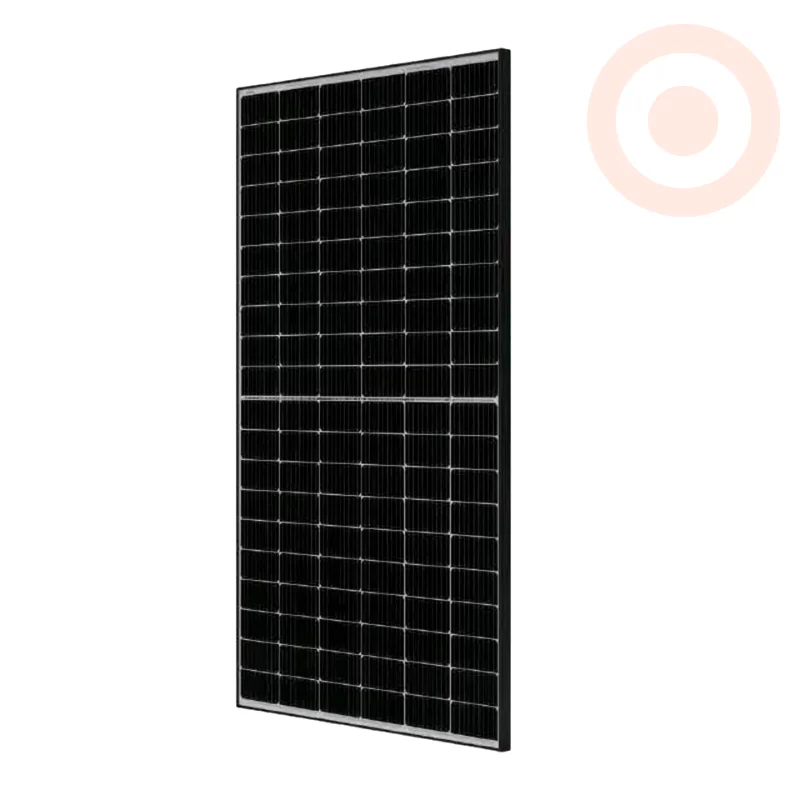
Monocrystalline panels are the standard for modern residential and commercial solar installations in South Africa. They are made from a single crystal of silicon, which gives them a uniform dark appearance and higher efficiency than older polycrystalline panels. Premium monocrystalline panels now achieve efficiencies of 21–23%, meaning more power output per square metre of roof space. For South African rooftops where space may be limited, high-efficiency mono panels are strongly recommended.
Bifacial Panels
Bifacial solar panels generate electricity from both sides — the front captures direct sunlight, while the rear captures reflected light from rooftop surfaces, surrounding ground, or walls. In South Africa’s high-solar-irradiance environment, bifacial panels can add 5–15% additional energy yield compared to standard single-face panels. Most premium tier-1 panels available in South Africa today are bifacial.
Top Solar Panel Brands: What Our Solar Panel Buying Guide South Africa Recommends
JA Solar
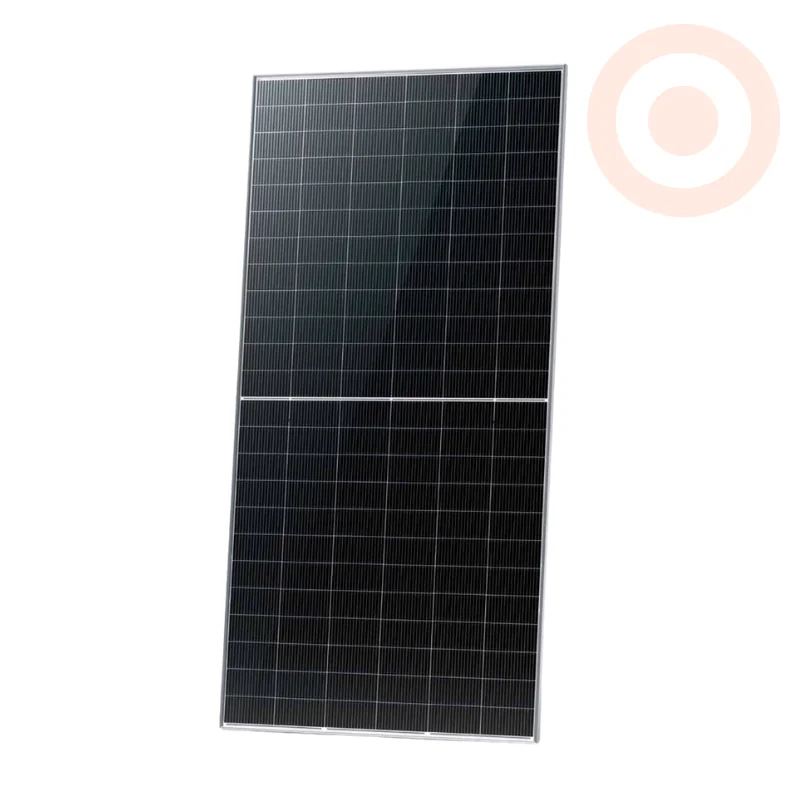
JA Solar is one of the world’s top five solar panel manufacturers and a leading choice for South African residential installations. Their N-type bifacial panels — available in 610W and 615W+ wattages — deliver excellent performance-to-cost ratios. JA Solar panels are regularly tested and validated by independent third parties including PV Evolution Labs, with industry-leading low degradation rates. The JA Solar 615W bifacial double glass panel is one of the most popular panels on the PowerVault ZA range. Learn more at JA Solar and Canadian Solar.
Canadian Solar
Canadian Solar has been manufacturing high-quality photovoltaic panels since 2001 and is consistently ranked among the top global panel manufacturers. Their HiKu and BiKu series bifacial panels are designed for durability in harsh climates — relevant for South African conditions ranging from Cape Town coastal environments to the extreme heat of the Northern Cape interior. The Canadian Solar 615W and 550W models offer strong warranties and verified long-term field performance.
Trina Solar
Trina Solar is a tier-1 manufacturer with over 25 years in the solar industry. Their Vertex S and NEG9 series panels use N-type TOPCon cell technology, which delivers higher efficiency and lower temperature coefficient compared to older PERC cells — making them well-suited to South Africa’s warm climate. The Trina 545W and 550W panels are popular in medium-sized residential systems.
TW Solar
TW Solar (Tongwei) is a rapidly growing tier-1 manufacturer that produces competitively priced panels without compromising on key specifications. Their 550W bifacial panels are a cost-effective entry point for homeowners who want good performance at a lower per-watt price. TW Solar panels are well-suited for systems where budget is a primary concern and roof space is adequate.
How Many Solar Panels Do You Need?
Panel quantity depends on your daily energy consumption and the size of your inverter. A typical South African home using 20–30kWh per day would need approximately 16 to 24 panels at 550W each to generate enough daytime energy to power the home and charge a battery for the night.
| Inverter Size | Recommended Panels (550W–615W) | Approx. Daily Generation |
|---|---|---|
| 5kW | 8–10 panels | 20–25 kWh |
| 8kW | 12–14 panels | 30–35 kWh |
| 10kW | 14–16 panels | 35–40 kWh |
| 12kW | 16–20 panels | 40–50 kWh |
| 16kW | 20–26 panels | 50–65 kWh |
This solar panel buying guide South Africa has compiled this information from local installer data and manufacturer specs to help you make the right choice. These are estimates based on South Africa’s average peak sun hours of 4.5–6 hours per day depending on location. Gauteng, Northern Cape, and North West receive more peak sun hours than Cape Town or KZN. A good installer will size your array based on your actual electricity bills and roof orientation.
Panel Wattage Guide
Residential solar panels in South Africa in 2025 range from 400W to over 620W. Higher wattage per panel means fewer panels needed for the same output — reducing racking hardware, cable runs, and installation time. For a new installation, 550W to 615W panels offer the best value in 2025. Panels below 400W are older technology and less cost-efficient per installed kW. Browse the full solar panel range or consider a complete solar kit with panels, inverter, and battery matched as a system.
Warranties: What to Check
Solar panel warranties have two components. The product warranty covers manufacturing defects — typically 10 to 12 years for tier-1 brands. The performance warranty guarantees power output over time — typically 25 to 30 years, with tier-1 manufacturers guaranteeing at least 80% of original output at year 25. In South Africa, you should verify that the manufacturer has local warranty support or that the distributor stands behind warranty claims. Buying from a reputable local distributor like PowerVault ZA ensures you have a local point of contact for any warranty issues.
What to Avoid When Buying Solar Panels
- Unknown tier-3 brands with no local support: If the manufacturer has no South African presence or the local distributor cannot support a warranty claim, you are exposed. Stick to tier-1 manufacturers with verified track records.
- Used or refurbished panels: Solar panels sold as “graded” or “B-stock” are often removed from failed installations or factory seconds with hidden defects. New tier-1 panels from a reputable distributor are a far better investment.
- Panels with low efficiency below 20%: Older PERC panels at 18–19% efficiency are still being sold but offer less power per panel. For 2025 installations, choose panels rated 21% efficiency or above.
- Mismatched panel string voltages: Ensure all panels in a string are from the same manufacturer and model for consistent MPPT performance. Mixing wattages or models in a string reduces output to the weakest panel.
Frequently Asked Questions
Which solar panel brand is best in South Africa?
JA Solar, Canadian Solar, and Trina Solar are consistently ranked as the top solar panel brands in South Africa for 2025, based on efficiency, warranty terms, and verified field performance. All three are tier-1 manufacturers with global scale and local distribution. The “best” panel depends on your specific installation — roof size, inverter compatibility, and budget — but any tier-1 monocrystalline bifacial panel from these brands will deliver excellent long-term results.
What is a bifacial solar panel and is it worth it?
A bifacial solar panel generates electricity from both its front and rear surfaces. In South Africa’s high-irradiance environment, rear-side gain from reflected sunlight (albedo) adds 5–15% additional yield compared to conventional single-face panels. Bifacial panels are generally worth the small premium for most South African rooftop installations, particularly where panels are elevated on tilt frames with light-coloured surfaces or concrete below them.
How long do solar panels last in South Africa?
Tier-1 solar panels typically last 25 to 30 years in the field. The primary form of degradation is a gradual reduction in power output — typically 0.3–0.5% per year for premium N-type panels. After 25 years, a high-quality panel should still produce at least 80% of its original rated power. South Africa’s climate — low humidity in most regions, high sun hours, and relatively mild UV degradation — is actually well-suited to long panel lifespan.
How do I know if solar panels are compatible with my inverter?
Your hybrid inverter’s MPPT input specifications determine which panels are compatible. The key values to match are: maximum open-circuit voltage (Voc), maximum MPPT voltage, maximum short-circuit current (Isc), and maximum MPPT current. Your installer will use these to design the string configuration — how many panels in series and how many strings in parallel. Most tier-1 panels in the 550W–620W range are compatible with all major South African hybrid inverters when correctly strung.
Can I expand my solar panel array later?
Yes, most hybrid inverter systems can be expanded by adding panels on a second MPPT input, increasing string length within voltage limits, or upgrading to a larger inverter. Planning for expansion from the start — oversizing the cable runs, racking, and mounting hardware — makes future additions faster and cheaper. Discuss future expansion plans with your installer before initial installation to ensure the foundation is correct.
Related Reading
- Is Solar Still Worth It in South Africa in 2026?
- Sunsynk vs Deye Inverter South Africa 2026 — Complete Comparison
- Solar Battery Prices South Africa 2026 — Complete Guide
Shop Solar Panels
- Jinko Solar 585W N-Type Bifacial TOPCon Panel
- JA Solar 615W Bifacial Panel
- Canadian Solar 615W HiKu7 Bifacial Panel
- View complete solar kits
